
Take Control of Your Data—National Data Privacy Day 2026
Imagine whenever you leave your home, enter a building, or meet a new person, all your information: birthday, purchase history, contacts, address, etc., hovers over your head for all to see.
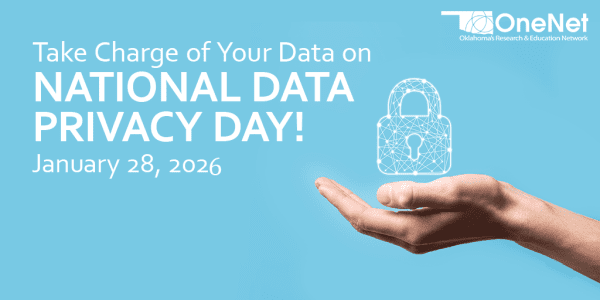
That is what it’s like to have unprotected data privacy.
On Jan. 28, we celebrate National Data Privacy Day. A reminder that you have the power to take control of your data.
Data Privacy Day is an initiative that raises awareness of online safety and the importance of protecting your devices and safeguarding your personal information. The national celebration was established in 2007, although it was officially observed in the U.S. for the first time in 2009.
No one wants their information displayed. Data is a collection of your interests, purchases, and more, and if it is not adequately protected, your information is at risk of exposure to cybercrime.
To celebrate National Data Privacy Day, this article will explore tips to ensure data privacy and protection.
Data Minimization
It’s time to get rid of those overflow folders, outdated photos, and untitled documents you forgot about. They just might be putting your data at risk.
Data minimization is the cornerstone of data privacy; by limiting your collection of personal data, you are minimizing the risk of digital breaches. According to tech experts, minimizing data reduces the risk of storing large amounts of personal information and enhances overall data privacy.
Several key factors to data minimization enhance your data privacy: limiting the collection of unnecessary data, purging data regularly, and adhering to storage limitations.
Use Strong Passwords
When creating a password for work or personal use, it is essential to use a unique/ complex combination.
Avoid using easily guessable passwords, such as birthdate, favorite color, or childhood pet.
Consider using a phrase: A series of words that make sense to you and is easy to remember. Weak passwords can leave your accounts and data vulnerable to cyberattacks. Do not leave your data exposed and at risk.
A strong password is one of the most basic yet critical tools to ensure data security.
Sharing Sensitive Data with AI
Generative AI is a new and evolving technology, and its privacy rules and regulations have not had a chance to catch up. With any new technology, it is best to be cautious.
Tech experts say sharing sensitive data with AI can pose significant risks, including data breaches, regulatory penalties, reputational damage, and even identity theft. When using AI applications, it is essential to thoroughly review their privacy policies.
It is essential not to share phone numbers, addresses, or personal photos with any AI applications.
Be Cautious with Unknown Emails
Your email is one of the first targets in a cyberattack. It is often the key to your identity and is at risk of phishing and spam emails.
Hackers typically send fraudulent emails or messages to trick users into revealing personal or company information, a practice known as phishing. Phishing attacks mimic legitimate communications from services you might use.
Be cautious with unknown or suspicious emails and report any phishing attempts you receive at work to your IT department.
Use A Firewall
By implementing a firewall, you can significantly enhance the security of your personal data.
Firewalls are a strong form of extra protection; they help monitor incoming and outgoing network traffic and block unauthorized access attempts.
To recognize National Data Privacy Day this year, share these helpful data privacy tips and keep others informed. Remember, your information is valuable, and you should always take precautions to keep your data safe.
For more information about Data Privacy Day, visit StaySafeOnline.org.
Have you set your resolutions for the New Year? Check out our 10 Cybersecurity Resolutions for 2026 to keep you safe and cyberaware.